Do Dental Implants Hurt? What to Expect During and After Treatment
Dental implants are one of the most reliable ways to replace missing teeth—but a common question patients have is, “Will it hurt?” The good news is that most people experience far less discomfort than expected. With today’s advanced techniques, local anesthesia, and precise technology, getting dental implants is more comfortable and predictable than ever.
At Dental Implants Boulder, our team combines guided implant placement with a compassionate approach focused on your comfort every step of the way. Here’s what to expect before, during, and after your procedure.
Comfort During the Procedure
Dental implant surgery is typically performed using local anesthesia, which completely numbs the area being treated. Most patients say it feels similar to having a filling or a tooth removed—pressure, but no pain.
If you’re someone who feels anxious about dental treatment, we also offer sedation options to help you stay relaxed from start to finish.
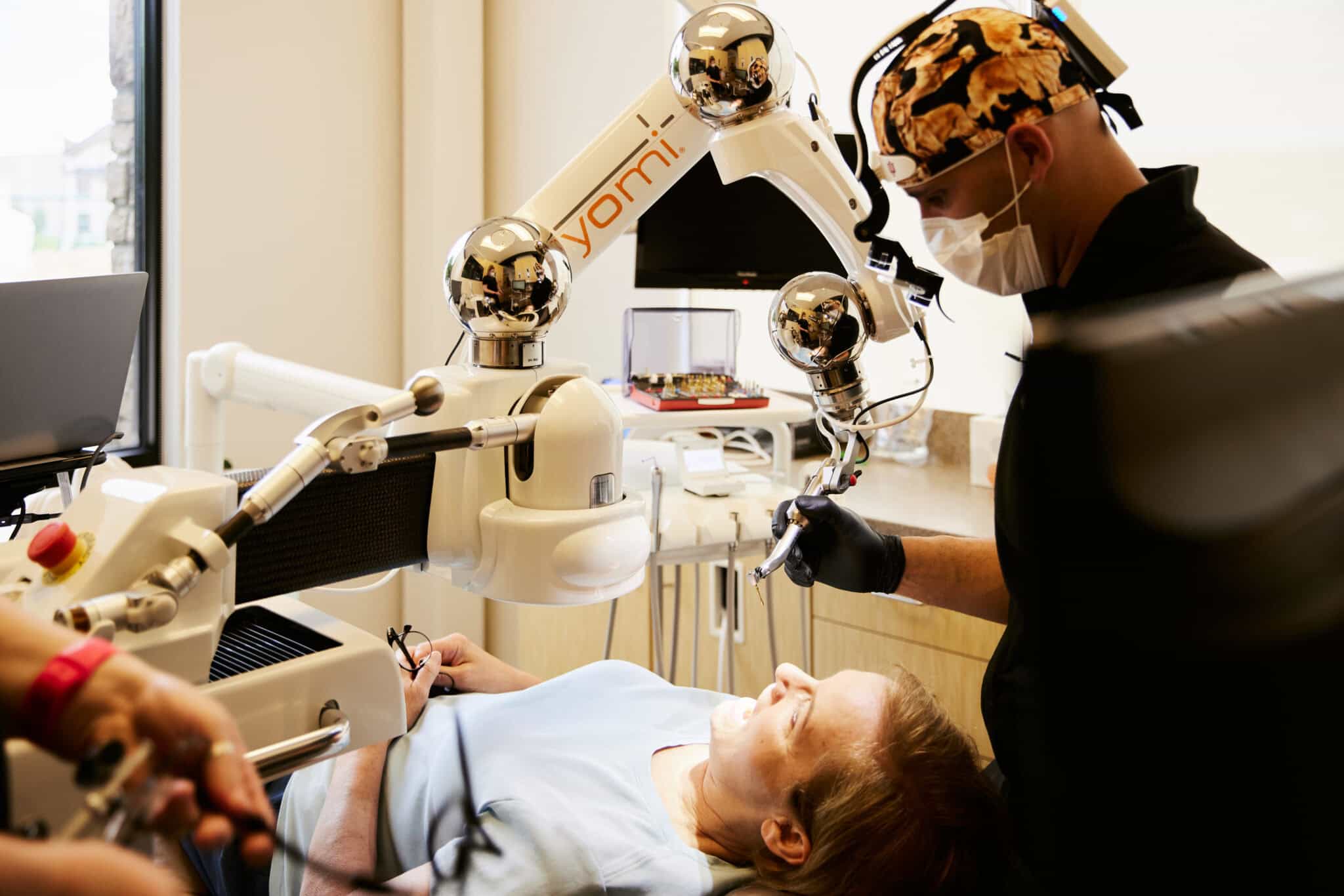
The implant is placed directly into the jawbone, which actually has fewer nerve endings than your gums or teeth. Thanks to precision-guided technology, the procedure is minimally invasive, reducing trauma to the surrounding tissue and shortening recovery time.
What to Expect After Surgery
As the anesthesia wears off, it’s normal to feel mild soreness or pressure near the surgical site. You might also notice light swelling or bruising for the first few days—this is a natural part of healing.
Most patients manage these symptoms easily with over-the-counter pain relief and by following a few simple aftercare tips:
- Stick to soft foods for the first 2–3 days.
- Avoid hot beverages until full sensation returns.
- Keep the area clean and follow your dentist’s care instructions.
By day three, most discomfort begins to fade, and the majority of patients are back to their normal routines within a week.
How Long Does the Pain Last?
Pain or tenderness usually subsides after just a few days. If discomfort worsens instead of improving, or if swelling continues beyond a week, it’s best to contact your dental provider right away.
At Dental Implants Boulder, our team closely monitors every patient’s healing progress to ensure everything is going smoothly. Complications are rare when aftercare instructions are followed.
Once healing is complete, the titanium implant fuses naturally with your jawbone—a process called osseointegration—and it won’t cause any ongoing discomfort. It becomes a strong, permanent part of your bite.
Managing Fear or Anxiety About Pain
It’s normal to feel nervous before oral surgery, but understanding what to expect can help ease those fears. Our doctors and team take the time to explain every step, answer your questions, and make sure you feel comfortable and confident throughout the process.
Modern implant treatment is designed to be precise, gentle, and efficient—and our patients are often surprised by how easy the experience feels.
When to Call Your Dentist
While recovery is usually smooth, contact your dentist if you notice:
- Persistent pain or swelling lasting more than a week
- Pain that interferes with eating or sleeping
- Signs of infection (such as fever, pus, or a foul taste)
Early attention ensures a quick resolution and helps you stay on track for a successful recovery.
Thinking About Dental Implants?
If you’ve been putting off treatment because you’re worried about pain, our team at Dental Implants Boulder is here to help. We focus on comfort, precision, and personalized care—from your first consultation to your brand-new smile.
Schedule your free consultation today and see how easy dental implants can be.